Strength training is the foundation of athletic performance. From professional football players and elite bodybuilders to Olympic athletes and high level competitors, athletes rely on structured strength programs to build power, increase durability, and maintain peak performance. While training methodology plays an important role, the equipment used inside professional training facilities can have an equally significant impact on results.
One of the most important features professional athletes look for when selecting training equipment is superior biomechanics. Biomechanically engineered strength equipment is designed to work with the body’s natural movement patterns, helping athletes generate more muscle engagement, train safely, and achieve better long term strength development. This article explores why professional athletes consistently prefer strength equipment engineered with precise biomechanics and how this technology supports elite level training.
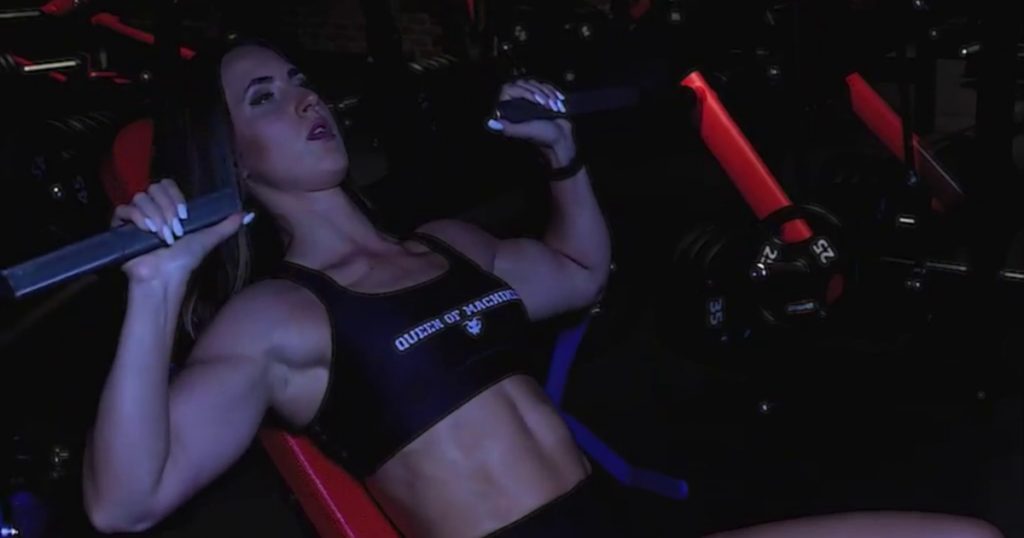
Understanding Biomechanics in Strength Training Equipment
Biomechanics refers to the science of how the human body moves. In strength training equipment design, biomechanics focuses on aligning machine movement with the natural motion of joints and muscles.
When equipment is engineered according to proper biomechanics, users can move through exercises in ways that closely match natural human movement patterns. This ensures that the intended muscle groups perform the majority of the work during each exercise. Poorly designed equipment often forces unnatural movement angles, which can shift tension away from target muscles or place unnecessary stress on joints. Biomechanically engineered machines eliminate this issue by guiding athletes through movement patterns that support efficient muscle activation. Manufacturers with decades of engineering expertise design strength machines to ensure natural movement arcs, smooth resistance patterns, and stable training positions that support high performance strength training. Companies with long standing experience in equipment engineering have refined these designs through continuous innovation and testing over many years.
Greater Muscle Engagement for Maximum Performance
Professional athletes train with one primary objective: maximizing performance. Biomechanically engineered strength equipment like plays a key role in achieving this goal by improving muscle engagement during every repetition.
Muscle engagement refers to how effectively a muscle is activated during an exercise. When equipment follows natural movement mechanics, tension is directed toward the intended muscle group rather than being distributed inefficiently across multiple areas. This allows athletes to develop stronger muscle contractions and maintain consistent tension throughout the entire exercise.
Plate loaded machines designed with precision resistance curves are particularly effective in maintaining muscular tension throughout a movement. By matching the resistance of the machine to the body’s natural strength capabilities during different phases of a lift, these machines provide stronger stimulation for muscle growth and strength development. When training with strength machines, proper breathing technique further enhances performance. Athletes are taught to exhale during the lifting phase of an exercise and inhale during the lowering phase, allowing them to maintain control and stability throughout the movement.
Improved Safety During High Intensity Training
Professional athletes often train with extremely heavy loads and high training volumes. Because of this intensity, safety becomes a critical factor in equipment selection. Biomechanically engineered strength equipment supports safer training by guiding athletes through stable movement patterns. This reduces the likelihood of joint strain or improper positioning during exercises.
Many advanced strength machines incorporate safety features such as quick start pedals, which allow athletes to begin exercises in a stable position without placing unnecessary stress on joints or connective tissues. These features are particularly valuable for exercises involving pressing movements or heavy resistance, where correct starting positions can significantly reduce injury risk. When combined with precise biomechanics, these safety elements allow athletes to train at high intensity while maintaining proper mechanics and joint protection.
Precision Resistance Curves for Better Strength Development
One of the most important features of advanced strength equipment is the use of precision resistance curves. Resistance curves control how the difficulty of a movement changes throughout the exercise.
Human muscles are naturally stronger in some parts of a movement and weaker in others. Strength machines designed with accurate resistance curves match this natural strength profile, allowing athletes to apply force more effectively during each phase of the lift. Plate loaded strength machines with carefully engineered resistance curves provide consistent tension across the entire movement pattern. This improves muscle recruitment and ensures athletes receive the greatest training benefit from each repetition. This type of engineering is especially valuable for professional athletes who rely on consistent muscle stimulation to build strength, power, and muscular endurance.
Why Elite Training Facilities Prioritize Biomechanics
Walk into any professional training facility and you will notice one common factor: premium strength equipment designed for performance. Elite gyms, professional sports teams, and high performance training centers prioritize equipment engineered with superior biomechanics because it supports athlete development while reducing unnecessary wear on the body. Facilities serving athletes, bodybuilders, and serious lifters often invest in equipment built with durable materials and precise engineering. Many of these machines are produced through extensive in house manufacturing processes to maintain strict quality control and performance standards. Professional training environments demand equipment capable of withstanding heavy use while delivering consistent training mechanics. Biomechanically engineered machines meet these requirements while supporting athletes at every stage of their training programs.
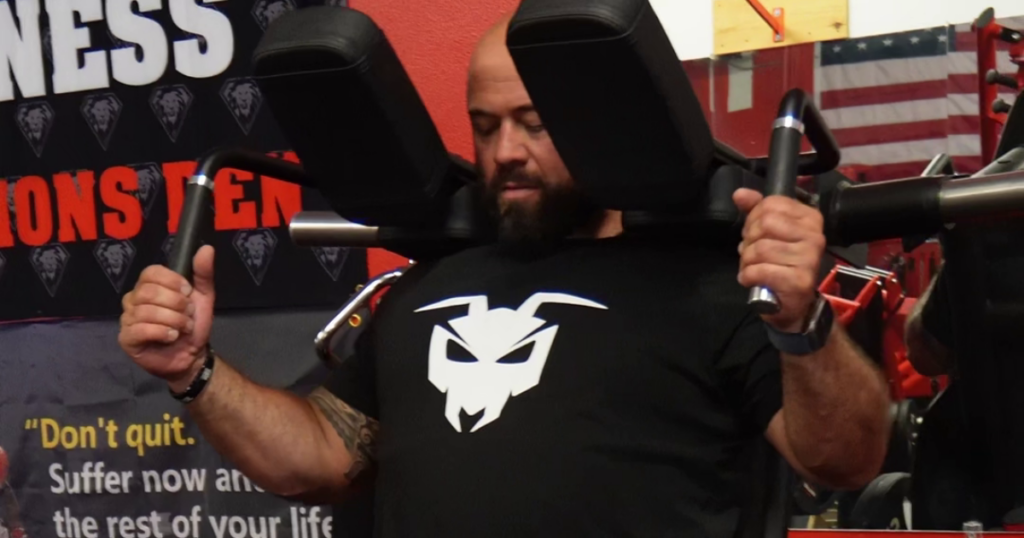
The Advantage of Plate Loaded Strength Machines
Plate loaded strength machines are particularly popular among professional athletes and experienced lifters. These machines combine the benefits of free weight training with the stability of guided movement.
Plate loaded equipment allows athletes to apply significant resistance while maintaining precise movement patterns. Because these machines follow natural biomechanics, they allow athletes to train heavy while preserving proper form. This makes plate loaded machines ideal for developing maximal strength, explosive power, and hypertrophy. Many modern plate loaded machines are engineered to create stronger muscular tension during key portions of the movement. This increased time under tension leads to greater strength development and improved muscle growth over time.
Strength Equipment Built for Athletes and Lifters
Biomechanically engineered strength machines are designed to support a wide range of users, including professional athletes, competitive bodybuilders, fitness enthusiasts, and rehabilitation programs. Because these machines follow natural movement patterns, they allow users to train safely and effectively while focusing on targeted muscle development. Professional athletes appreciate equipment that allows them to train intensely without sacrificing joint health. This balance between performance and durability is why biomechanical engineering has become one of the most important factors in strength equipment design.
The Future of High Performance Strength Training Equipment
The fitness industry continues to evolve as training science and engineering technologies advance. One trend that continues to gain momentum is the demand for premium strength training equipment engineered with precise biomechanics. Athletes, coaches, and gym owners increasingly recognize that equipment design plays a crucial role in training effectiveness. Machines that align with human biomechanics help athletes achieve stronger muscle activation, more efficient workouts, and safer training environments. As a result, modern strength equipment manufacturers continue refining machine movement patterns, resistance curves, and safety features to support the needs of serious athletes.
Final Thoughts
Professional athletes depend on training equipment that supports maximum performance and long term durability. Biomechanically engineered strength equipment provides the foundation for effective strength development by aligning machine movement with the body’s natural mechanics. Through improved muscle engagement, precision resistance curves, and enhanced safety features, biomechanically designed machines allow athletes to train harder, recover better, and perform at their highest level. For gyms, performance centers, and athletes seeking world class strength training solutions, equipment designed with superior biomechanics remains one of the most valuable investments in achieving elite results.
FAQ Section
Why do professional athletes prefer biomechanically engineered gym equipment?
Professional athletes prefer biomechanically engineered gym80 equipment because it aligns with natural movement patterns, improves muscle engagement, and reduces joint stress during high intensity strength training.
What is biomechanically engineered strength equipment?
Biomechanically engineered strength equipment is designed to match the body’s natural joint movement and muscle function, allowing for safer and more effective strength training.
Do plate loaded machines provide better muscle engagement?
Plate loaded machines with precision resistance curves can create greater muscle tension throughout the movement, which may improve strength development and muscle activation.
Why is biomechanics important in gym equipment design?
Biomechanics ensures that strength machines support natural movement patterns, allowing athletes to train efficiently while minimizing the risk of joint strain or injury.